Manufactured home, modular home, mobile home, trailer home, and prefab are some of the most common terms we hear used to describe factory-built homes, but they don’t all mean the same thing. Some refer to when a home was built, others describe the building standards it follows, and some are simply outdated terms that people continue to use today. Understanding these terms can make shopping for a home less confusing and help you understand why the differences matter.
What Is a Mobile Home?
A mobile home technically refers to a factory-built home constructed before June 15, 1976, before the U.S. Department of Housing and Urban Development (HUD) established national construction and safety standards through the HUD Code.
These homes provided shelter, but they were lightly regulated and were not required to meet uniform federal safety or construction standards. While many people still use the term today, it is technically correct only when referring to homes built before the HUD Code took effect, and it’s no longer used in our industry.
What Is a Modular Home?
A modular home is also built inside a factory, but that’s where the similarities with manufactured homes largely end.
Modular homes are built to the same local, state, and regional building codes as traditional site-built homes. The home is constructed in sections indoors, transported to the property, and assembled on-site.
Unlike manufactured homes, modular homes must be installed on a permanent foundation, either a crawl space or a basement.
A common misconception is that if a home arrives in two or more sections, it must be a modular home. That isn’t true. Manufactured homes can also be built in multiple sections. The number of sections doesn’t determine the type of home. Instead, the difference comes down to the building codes the home was constructed under and the type of foundation it is placed on.
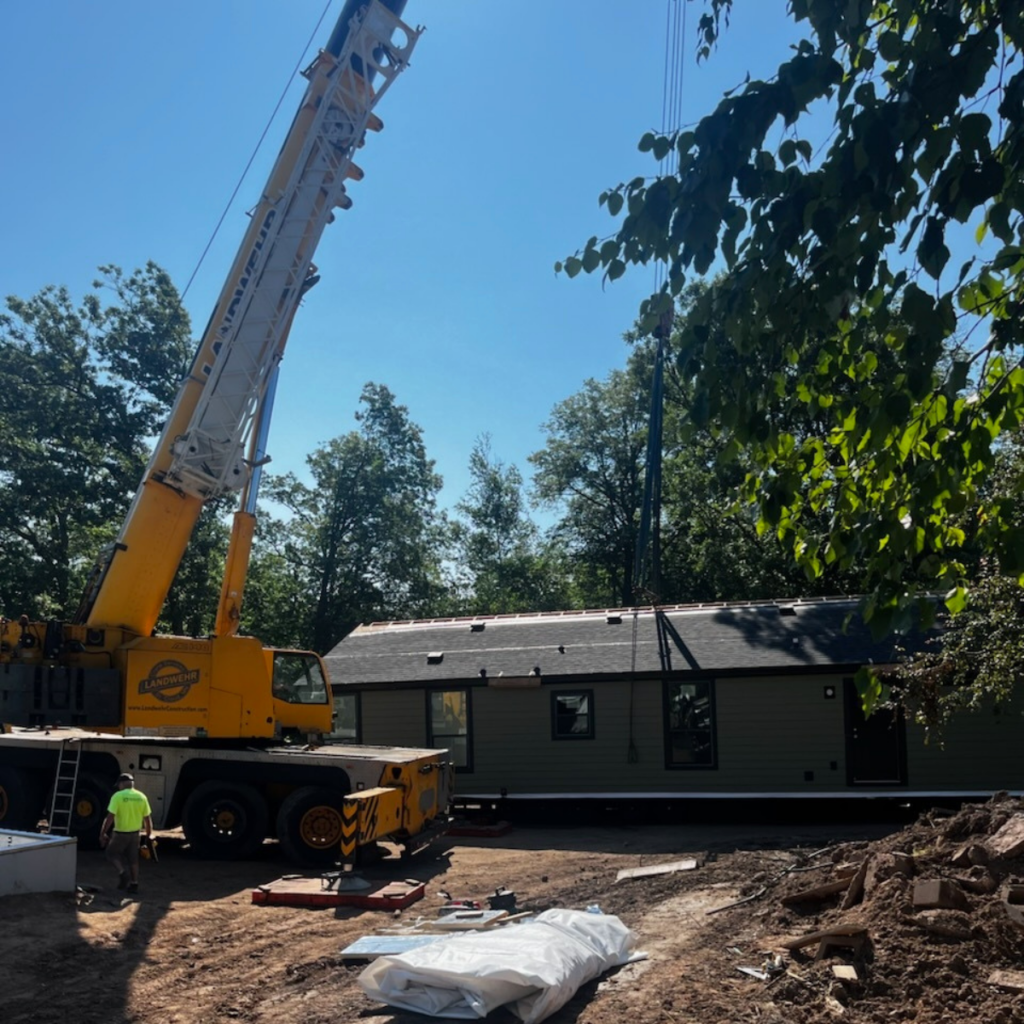
Modular Home Foundation 1
Crawl Space
*No frame remains on the home
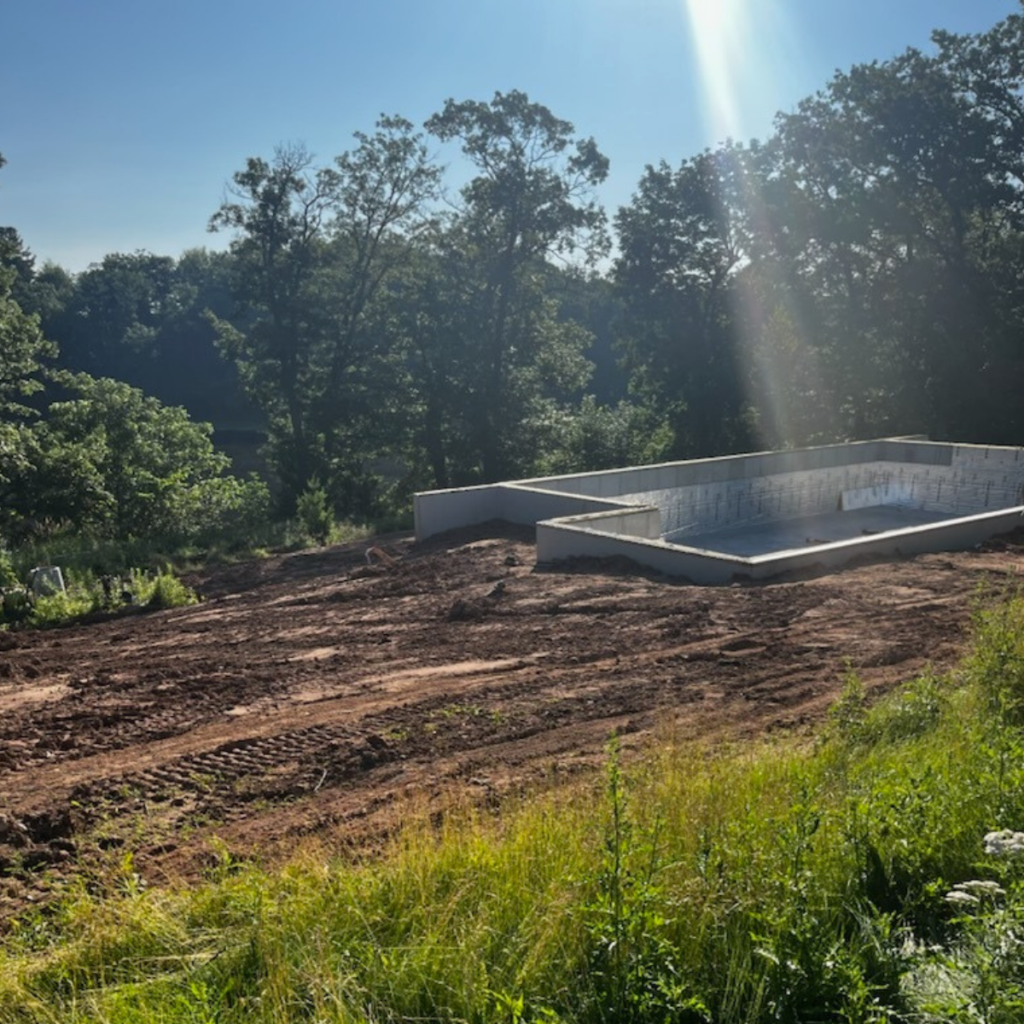
Modular Home Foundation 2
Basement
*No frame remains on the home
What Is a Manufactured Home?
A manufactured home is a factory-built home constructed on or after June 15, 1976, when HUD introduced the federal Manufactured Home Construction and Safety Standards, commonly known as the HUD Code. Today’s manufactured homes offer modern floor plans, residential features, and quality construction that are very different from the mobile homes built before 1976.
Manufactured homes are built on a permanent steel chassis and must meet uniform national standards for design, construction, durability, fire resistance, and energy efficiency.
Most single-section homes are manufactured homes, but manufactured homes can also be built in two or more sections. The number of sections does not determine whether a home is manufactured or modular. What determines the type of home is the building code it was built to and the foundation on which it is installed.
Manufactured Home Foundation 1
Frost Piers
*Frame remains on the home

Manufactured Home Foundation 2
Engineered Slab
*Frame remains on the home

What Is a Trailer Home?
Trailer home is simply an outdated term that many people still use today. Originally, people commonly referred to mobile homes as trailer homes. Today, “trailer home” doesn’t have a technical definition. If someone uses the term, they could be referring to a manufactured home.
Using the terms manufactured home or modular home is much more accurate because each has a specific definition and construction standards that distinguish one from the other.
What Is a Prefab Home?
Prefab, short for prefabricated, is an umbrella term describing any home that is built in a factory and transported to its building site. As a result, both manufactured and modular homes are considered prefabricated homes. However, prefab is not a specific type of home. Instead, it describes the building process rather than the building codes or foundation requirements.
Still Have Questions?
If you’re considering a manufactured or modular home, stop by Excelsior Homes during business hours to tour our model homes or contact us today. Our team is always happy to answer your questions and help you understand the differences so you can make an informed decision. We look forward to seeing you!